
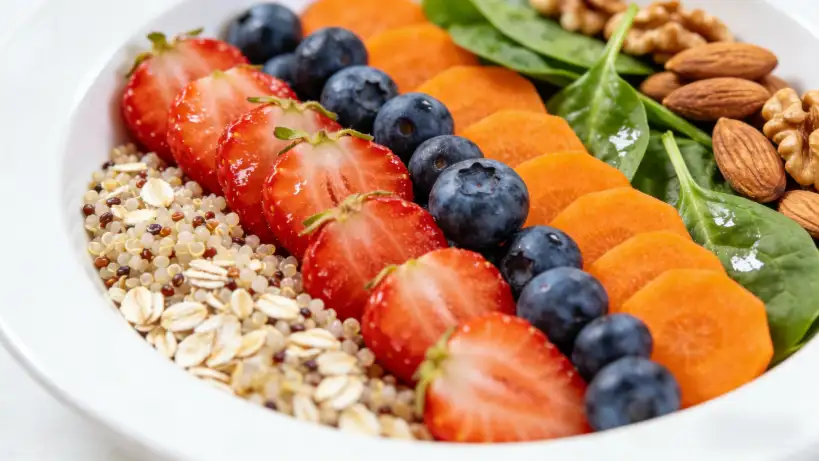

With so many conflicting diet trends, it’s hard to know what healthy eating really is. Sustainablehealthy habits aren’t about extreme diets—they’re small, consistent changes. These 10 science-backed habits boost energy, support immunity, and improve well-being, perfect for busy lifestyles.
1. Prioritize Whole, Unprocessed Foods

The foundation of healthy eating is choosing whole, unprocessed foods over packaged options. Think fresh produce, whole grains, lean proteins, and nuts—packed with fiber, vitamins, and antioxidants.
Why it works: Processed foods are high in sodium and added sugars, low in nutrients. Focusing on unprocessed eating cuts empty calories. SEO tip: Use keywords like “whole foods for better health” or “unprocessed eating benefits” to reach readers.
2. Eat a Colorful Plate Every Meal
A simple healthy eating tip: make your plate colorful! Different colors mean different nutrients—red (lycopene), green (fiber), orange (vitamin A).
How to do it: Add 2-3 colors per meal (berries in oatmeal, veggies in salad). This easy healthy habit makes eating nourishing food fun.
3. Practice Mindful Eating (No Distractions!)
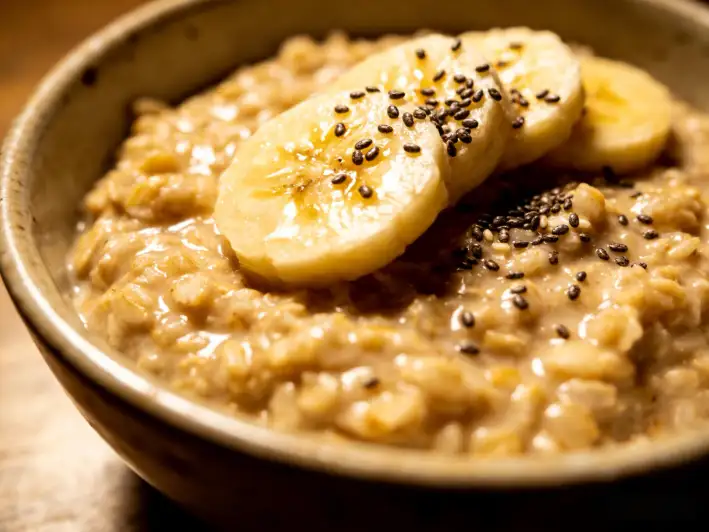
Mindless eating (phone/TV while eating) leads to overeating. Mindful eating means focusing on taste, texture, and body signals.
How to do it: No distractions, chew slowly, stop at 80% full. SEO tip: Use keywords like “mindful eating for weight management” or “how to stop overeating”.
4. Stay Hydrated—But Not Just With Water
Hydration is key to healthy eating—dehydration causes fatigue and cravings (thirst mistaken for hunger).
What to drink: Water first, plus herbal tea or infused water. Avoid sugary drinks. Aim for 8-10 cups daily—adjust for activity.
5. Eat Regularly to Keep Blood Sugar Stable
Skipping meals backfires—low blood sugar causes cravings and overeating. Eating regularly stabilizes blood sugar, boosts energy.
How to do it: Eat every 3-4 hours—balanced breakfast, healthy snacks (apple + peanut butter, Greek yogurt + berries). Critical for diabetes or energy crashes.
6. Include Healthy Fats in Every Meal
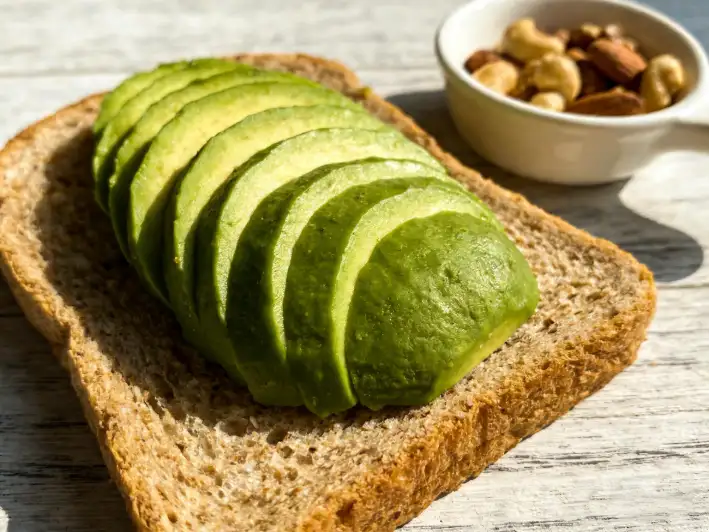
Not all fats are bad—healthy fats (avocado, nuts, olive oil, fatty fish) support brain health and weight management.
How to add them: Drizzle olive oil, add avocado to toast, eat salmon 2-3x/week. Avoid trans fats, limit saturated fats for heart health.
7. Limit Added Sugars (They’re Everywhere!)
Added sugars cause obesity, diabetes, and mood issues—hidden in ketchup, granola bars, and “healthy” smoothies.
How to limit them: Read labels, choose unsweetened foods, use natural sweeteners in moderation. Limit to 25g/day (women) or 36g/day (men).
8. Cook at Home More Often
Restaurant meals are high in sodium and unhealthy fats. Home cooking lets you control ingredients and portions for healthy eating.
How to make it easier: Meal prep Sundays, keep simple healthy ingredients on hand. SEO tip: Use keywords like “easy healthy home cooking” or “meal prep for busy people”.
9. Chew Your Food Thoroughly
Chewing thoroughly aids digestion, helps absorb nutrients, and prevents overeating (brain registers fullness).
How to do it: Chew 20-30 times per bite—take your time. This simple healthy habit reduces bloating and boosts enjoyment.
10. Listen to Your Body’s Hunger and Fullness Cues
Trust your body—ignore hunger (busy) or eat past fullness (no waste) harms healthy eating. Your body knows its needs.
How to do it: Ask if you’re truly hungry (not bored/stressed). Eat until comfortably full, notice how foods make you feel.
Final Thoughts & How to Get Started
Healthy eating is progress, not perfection. Start with 1-2 easy healthy habits (colorful plates, hydration) and build. Small changes = big health improvements.
It’s a lifestyle, not a diet—find nourishing foods you enjoy. Prioritize whole foods,mindful eating, and body cues for a sustainable routine.
What’s one healthy eating habit you’ll try first? Let me know in the comments!