

We often hear that “age is just a number” and “weight loss only requires calorie control,” but few people tell you the truth: aging is essentially cellular damage. Some aging-accelerating foods we take for granted—even those marketed as “healthy”—can quietly damage cells with each bite, accelerating the aging of the skin, brain, and joints. If you want to slow aging, this article rounds up the top 10 such foods, ranked from mild to severe impact, to help you avoid these “invisible killers” and build a simple anti-aging diet.
Rank 10: Margarine
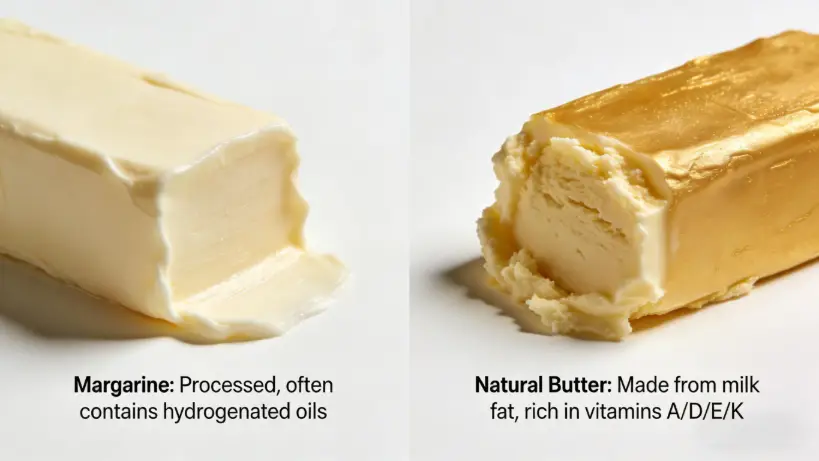
Margarine is made by hydrogenating vegetable oils like soybean oil and canola oil, a harsh process that produces unnatural trans fats. These fats behave more like plastic than food: once ingested, they integrate into cell membranes, making them stiff, interfering with brain signal transmission, triggering systemic inflammation, and disrupting metabolism.
Swap it for: Natural fats such as butter, ghee, or extra-virgin olive oil.
Rank 9: Fruit Juice
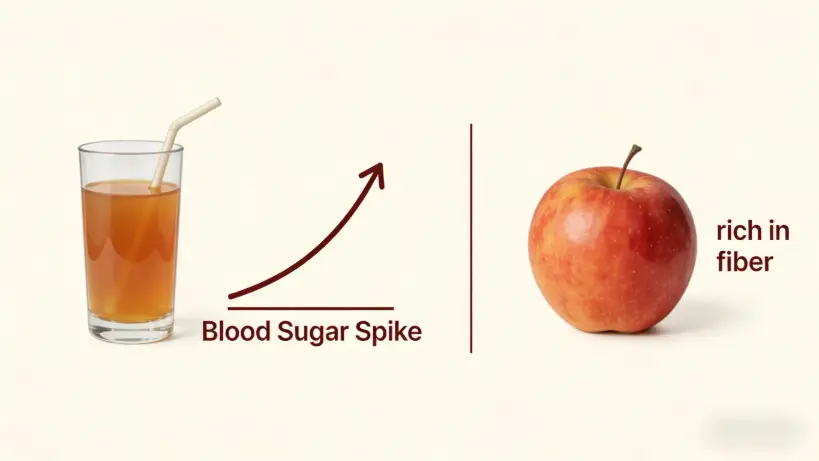
Fruit juice is often marketed as a “healthy drink,” but it is essentially concentrated sugar without fiber—its sugar content is comparable to soda per serving. Whether added sugar or natural sugar, its core components are glucose and fructose, which cause sharp spikes in blood sugar and insulin. Excess fructose intake can induce non-alcoholic fatty liver disease and generate advanced glycation end products (AGEs), a key driver of aging.
Swap it for: Whole fruits (in moderation). If you crave juice, opt for low-sugar green juices made from leafy greens and mild fruits.
Rank 8: Store-Bought Salad Dressing
Most commercial salad dressings are made with highly processed vegetable oils, plus high-fructose corn syrup and large amounts of added sugar—some contain up to one-third sugar by weight. These oils are prone to oxidation and have an imbalanced Omega-6 ratio, which triggers inflammation and free radical production, accelerating cellular aging.
Swap it for: Dressings based on avocado oil, or homemade versions with extra-virgin olive oil, vinegar, and fresh herbs.
Rank 7: Breakfast Cereal
“Healthy” breakfast cereals advertised on TV are typically made from refined grains, stripped of most nutrients during processing. They have a high glycemic index and are loaded with sugar, artificial colors, and flavors. The so-called “fortified” nutrients are just a small compensation for the lost nutrition—hardly worth it.
Swap it for: Ham and egg omelets, homemade full-fat yogurt (topped with chia seeds or pumpkin seeds), or intermittent fasting.
Rank 6: Processed Meats
Processed meats (e.g., bacon, hot dogs, ham) are often preserved with nitrates, which form DNA-damaging nitrosamines when heated. They are also extremely high in sodium; without enough potassium in the diet to balance it, sodium can strain the body. Additionally, commercially raised processed meats have an imbalanced Omega-6 ratio, promoting inflammation, and may contain preservatives that disrupt gut bacteria.
Swap it for: Fresh meat and fish. If you must eat processed meat, choose additive-free premium products and limit consumption frequency.
Rank 5: Fried Foods
Fried foods are usually cooked in vegetable oils like soybean or canola oil. Repeated high-heat frying produces neurotoxic and carcinogenic substances such as acrylamide and aldehydes, as well as trans fats and free radicals, which burden the liver significantly. Restaurant fried foods are even riskier due to repeatedly used oil.
Swap it for: Air fryers, ovens, or non-stick pans. Cook with natural fats like butter or coconut oil and control heating temperatures.

Rank 4: Baked Goods
Cakes, muffins, pastries, and other baked goods are primarily made of white sugar, white flour, and shortening—offering zero nutritional value. High-temperature baking also generates large amounts of AGEs. Margarine, shortening, and frosting in these treats often contain trans fats (check ingredient labels for “hydrogenated” or “partially hydrogenated” oils).
Tip: Avoid baked goods with “hydrogenated” ingredients, and opt for homemade versions with whole-grain flour and natural sweeteners in moderation.
Rank 3: Sugary Beverages
Soda, energy drinks, and flavored coffee drinks are high in sugar concentration, absorbed rapidly, and lack satiety—they are empty calories. The body needs B vitamins to metabolize sugar; long-term consumption depletes these nutrient reserves. Sugar is also addictive, leading to overconsumption, making sugary beverages one of the most efficient aging accelerators.
Swap it for: Water, unsweetened tea, or black coffee.
Rank 2: Products with High-Fructose Corn Syrup (HFCS)
HFCS contains 55% fructose and 45% glucose—slightly higher in fructose than regular sugar (50/50). Fructose can only be metabolized by the liver, straining this organ, promoting uric acid production, and triggering inflammation. It forms AGEs 10 times faster than glucose and does not trigger satiety, making overconsumption easy.
Note: Regular sugar is nearly as harmful—both should be consumed sparingly.
Rank 1: Alcohol
Alcohol is a direct toxin that damages organs throughout the body. Its breakdown product, acetaldehyde, is toxic and carcinogenic. Alcohol inhibits antidiuretic hormone, causing dehydration; depletes B vitamins, magnesium, and antioxidants; damages the intestinal lining and brain cells; and impairs deep sleep and REM sleep, hindering brain detoxification and memory consolidation.
Guideline: Moderate drinking (1–2 drinks, 3–4 days a week) is relatively safe for those who already drink, but non-drinkers do not need to start.
Ditch Aging Accelerators, Embrace an Anti-Aging Whole-Food Diet
The core culprits of accelerated aging are high processing and excess sugar/trans fats. Margarine, processed meats, fried foods, and other aging-accelerating foods on this list are all products of unnatural processing—long-term consumption causes persistent cellular damage and inflammation. In contrast, natural, minimally processed foods (e.g., natural fats, whole fruits, fresh meats) are key to an anti-aging diet, as they reduce cellular damage and help you slow aging.
There is no need for extreme anxiety: occasional indulgence in these “aging foods” is nothing to feel guilty about. The key to slow aging is to adopt an anti-aging diet centered on whole, natural foods. By avoiding these problematic foods and excess sugar most of the time, you can effectively slow down aging and protect your body’s vital functions.